
Supporting and promoting interdisciplinary dance projects in refugee shelters.
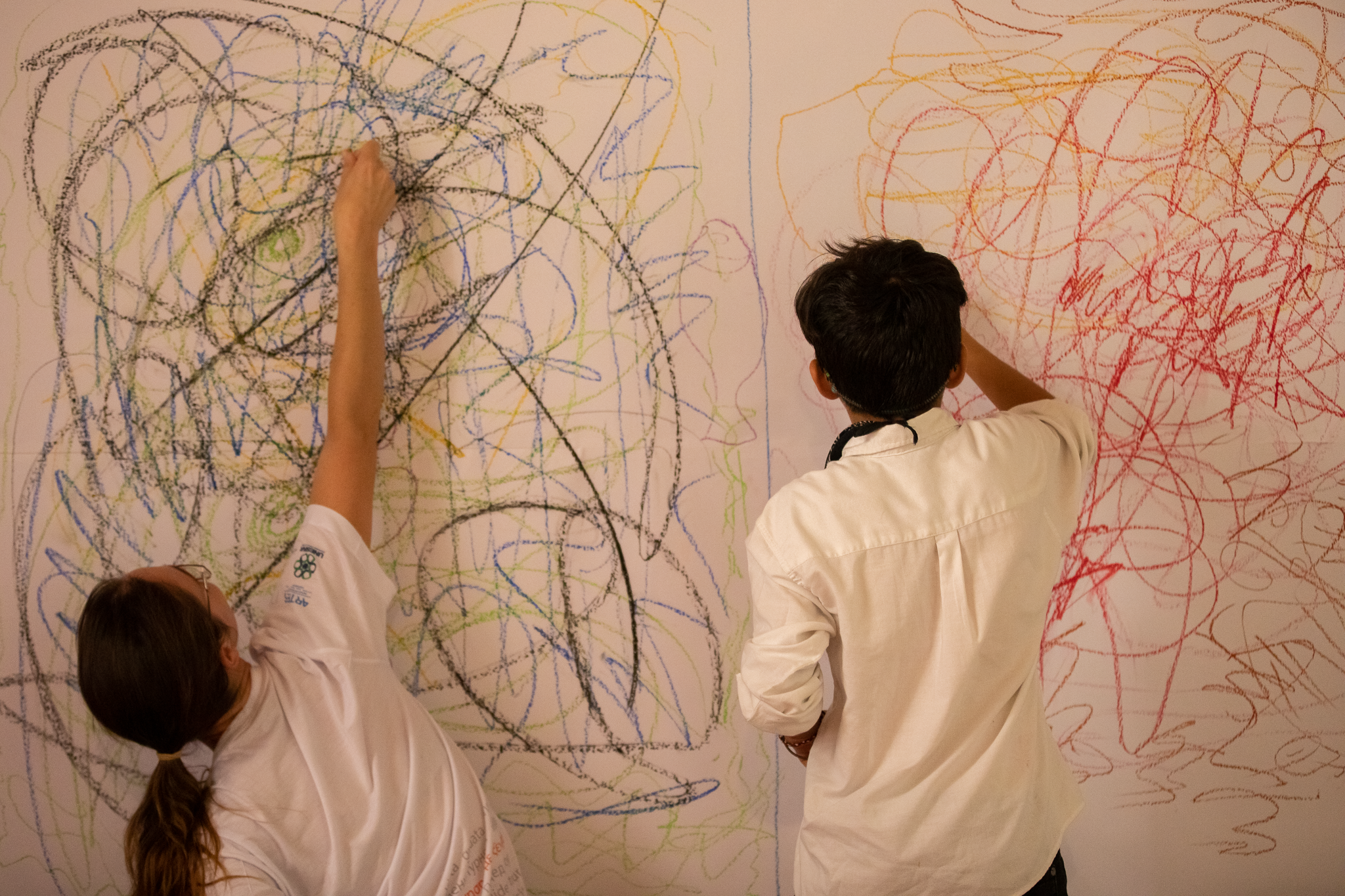
Movement and Trace.
The dancer is invited to explore movement and drawing simutaneously using sheets of paper and crayons, improvising in a cross boundary platform. The participant is invited to experiment and create individually and/or in group.
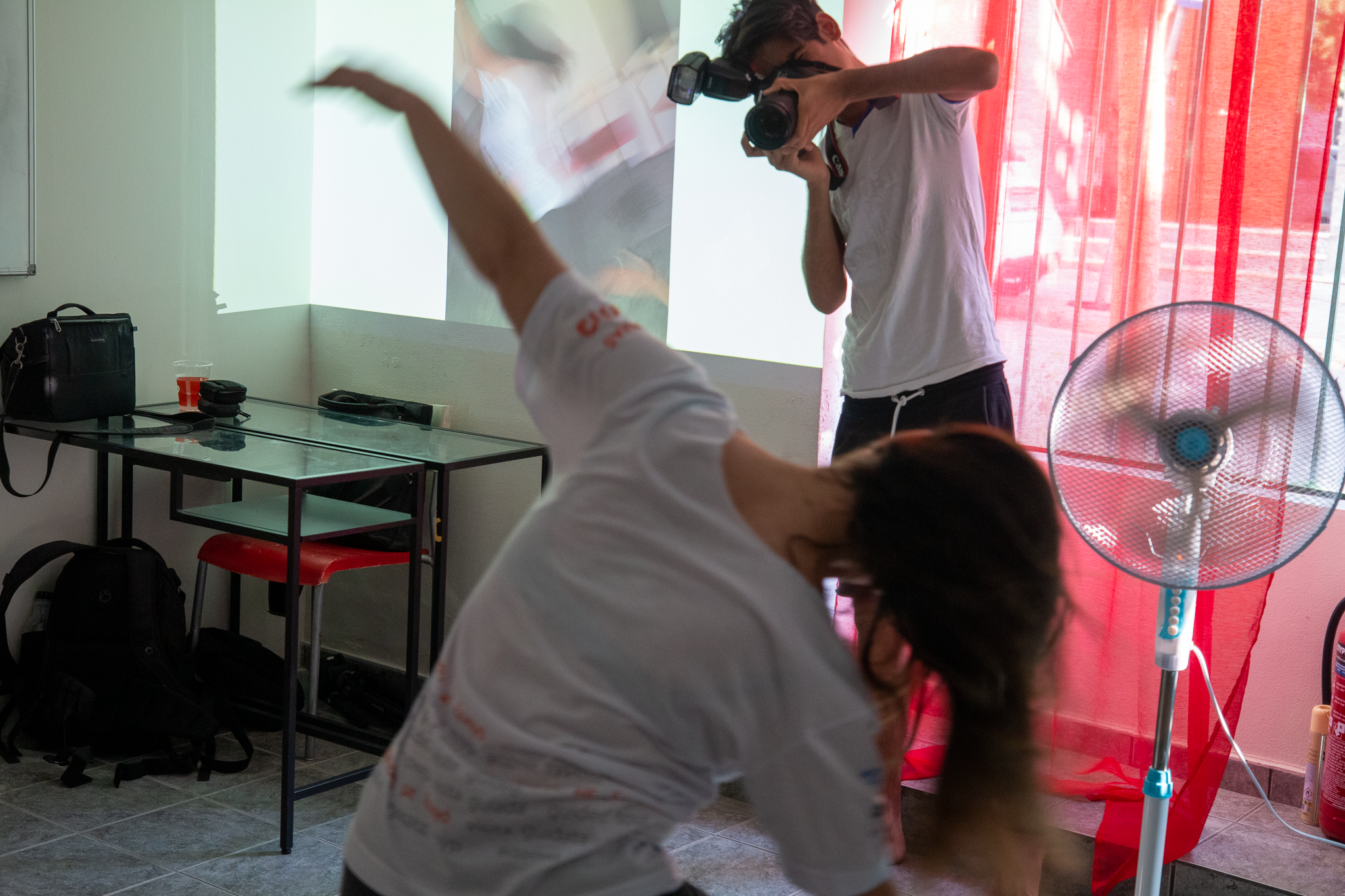
Movement and Observation.
A danced creative process that combines techniques of movement improvisation with the awareness of the space. The participant look is provoked and conducted towards their environment by creating a photographic camera using recyclable materials. It involves the study of the photographic imaging creation process.
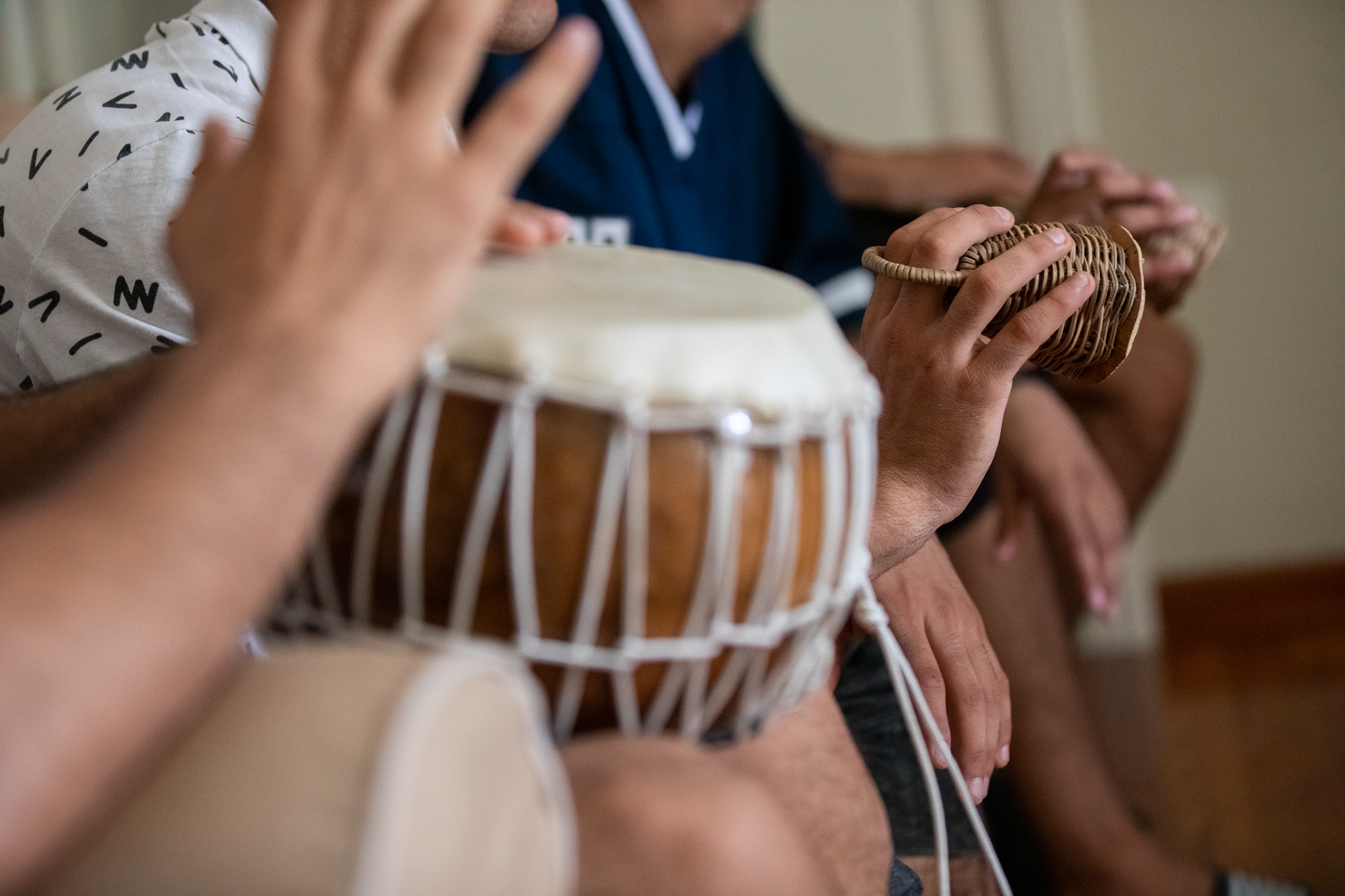
Movement and Sound.
A dance creation process that combines techniques of movement improvisation with the multiple sounds generated by a handpan instrument, as well as with the sounds produced with everyday objects such as buckets, cans and scrap materials explored by the participants. We also study some of the sounds and rhythms from Brazil.
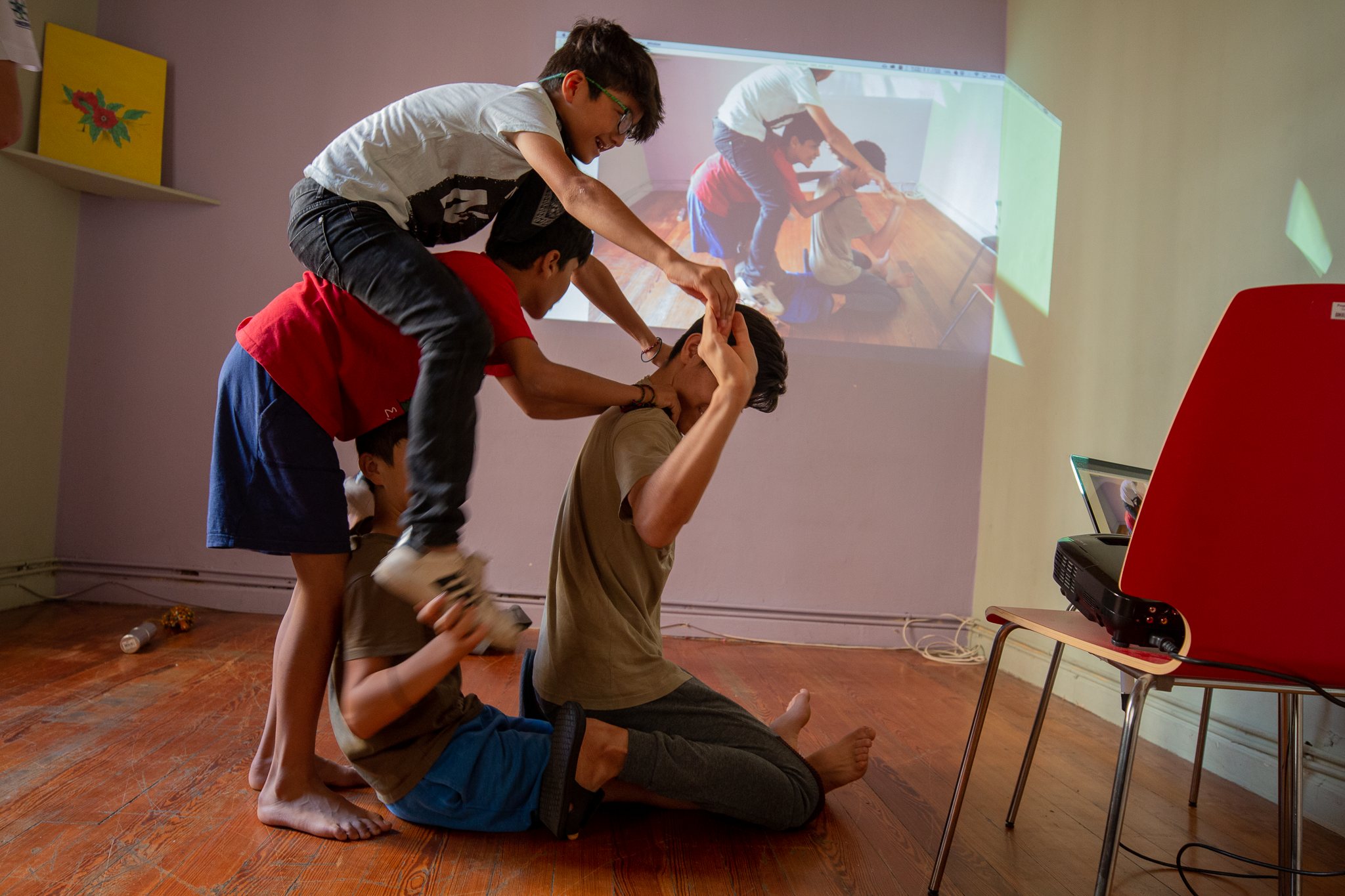
Affection and Creation.
The participants are divided in small groups in order to compose a small choreographic piece using elements of the previous exercises. The objective of this exercise is to propose an experience of creation and composition in dance, as well as to identify what are the activities that the children empathized the most in the workshop.
What is the role of dance in the process of agency over the dancer’s own body?
Dance can be an initiative to address the conflicts of our time and to generate opportunities for co-creation and shared development in a horizontal relationship among unaccompanied minors coming from extremely complex and polarized contexts. To what extent can dance help to repatriate or (re)create the history of groups to which it was denied?
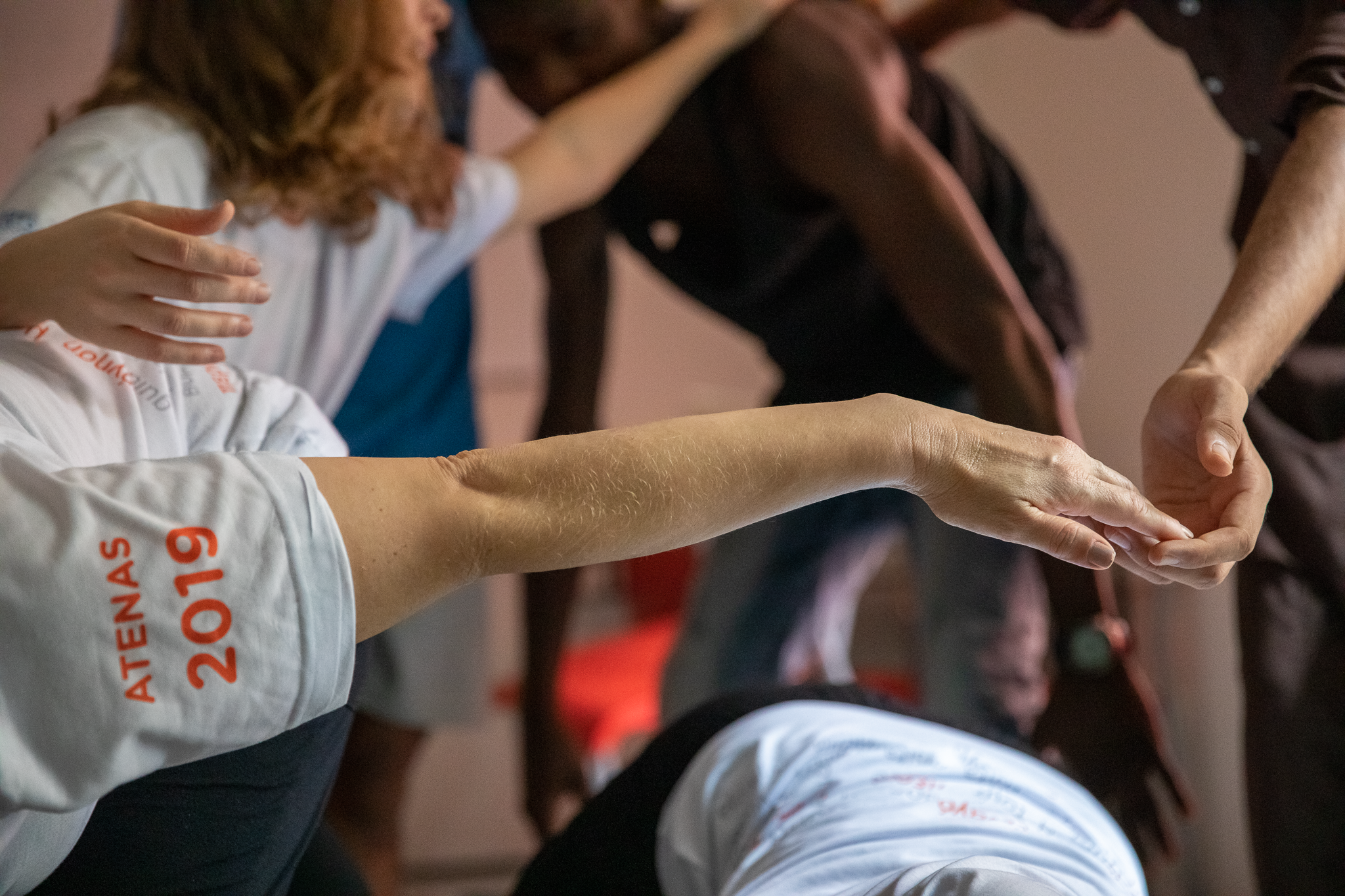
Engaged in Social Change through creativity.
In what ways can dance engage and possibly create affective spaces in communities in the context of dynamic readjustment? Exploring the body and the experiences in the community through dance may generate a powerful channel to address important questions regarding alterity. The aim is to open a path not only for reflection on concepts and verbal statements, but also through the investigation of the muscles and the strengths and weaknesses of the body. Promoting a space where the participants can have contact with their own bodies in the context of experimental exercise and creativity, may bring awareness of their own strengths and weaknesses. Most importantly however, such awareness of the body may promote the recognition of their physical location in the space and in the community.
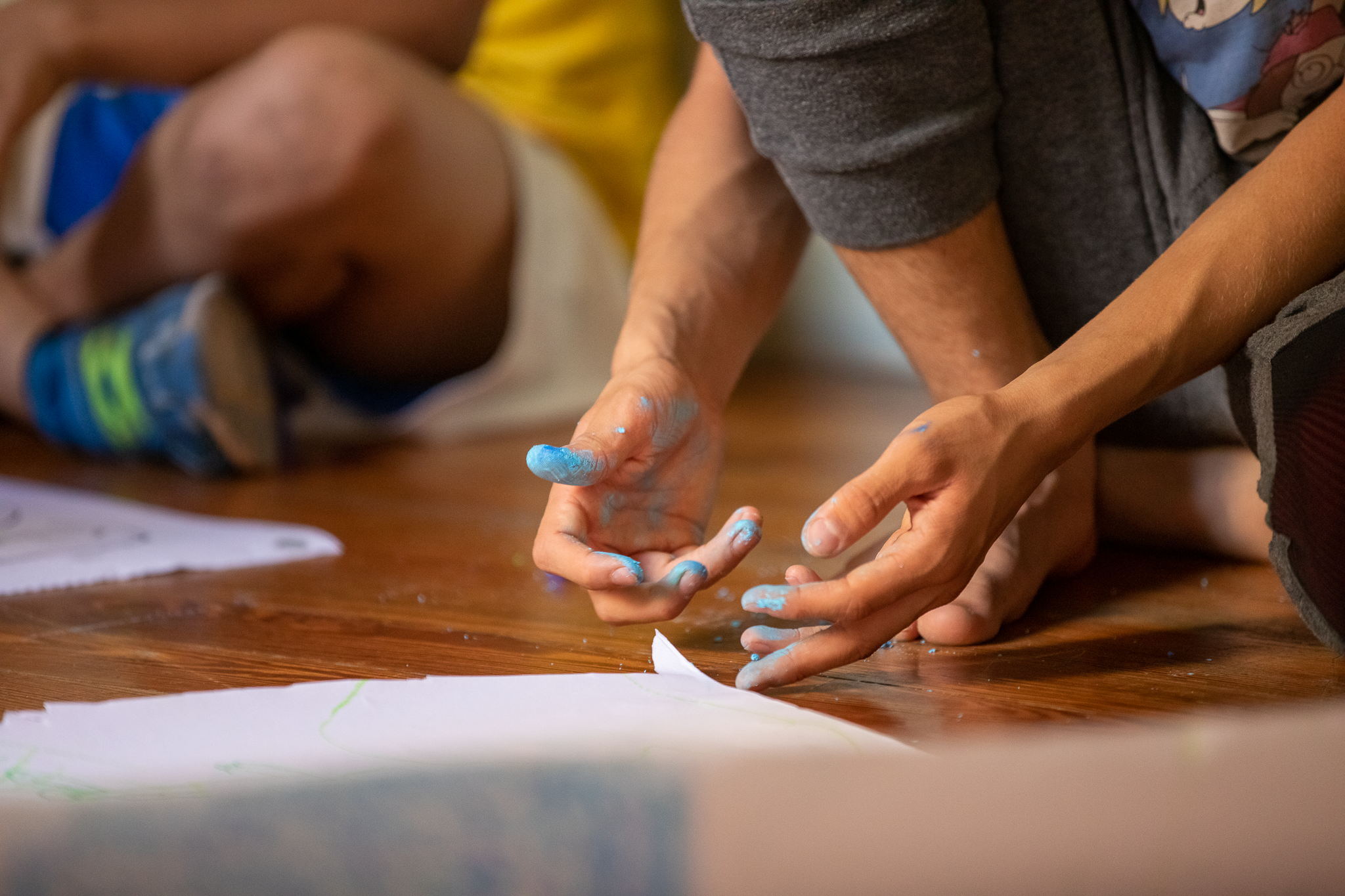
Movement and Trace exercise with the kids from LP shelter, managed by the NGO The Home Project in Athens, August/2019.
““Heritage” and “legacy” are, of course, ideologically loaded notions. Not only do they imply commercial and political interests, but they are also intertwined with issues of identity and power as well as of property rights”
Lend me your voice.
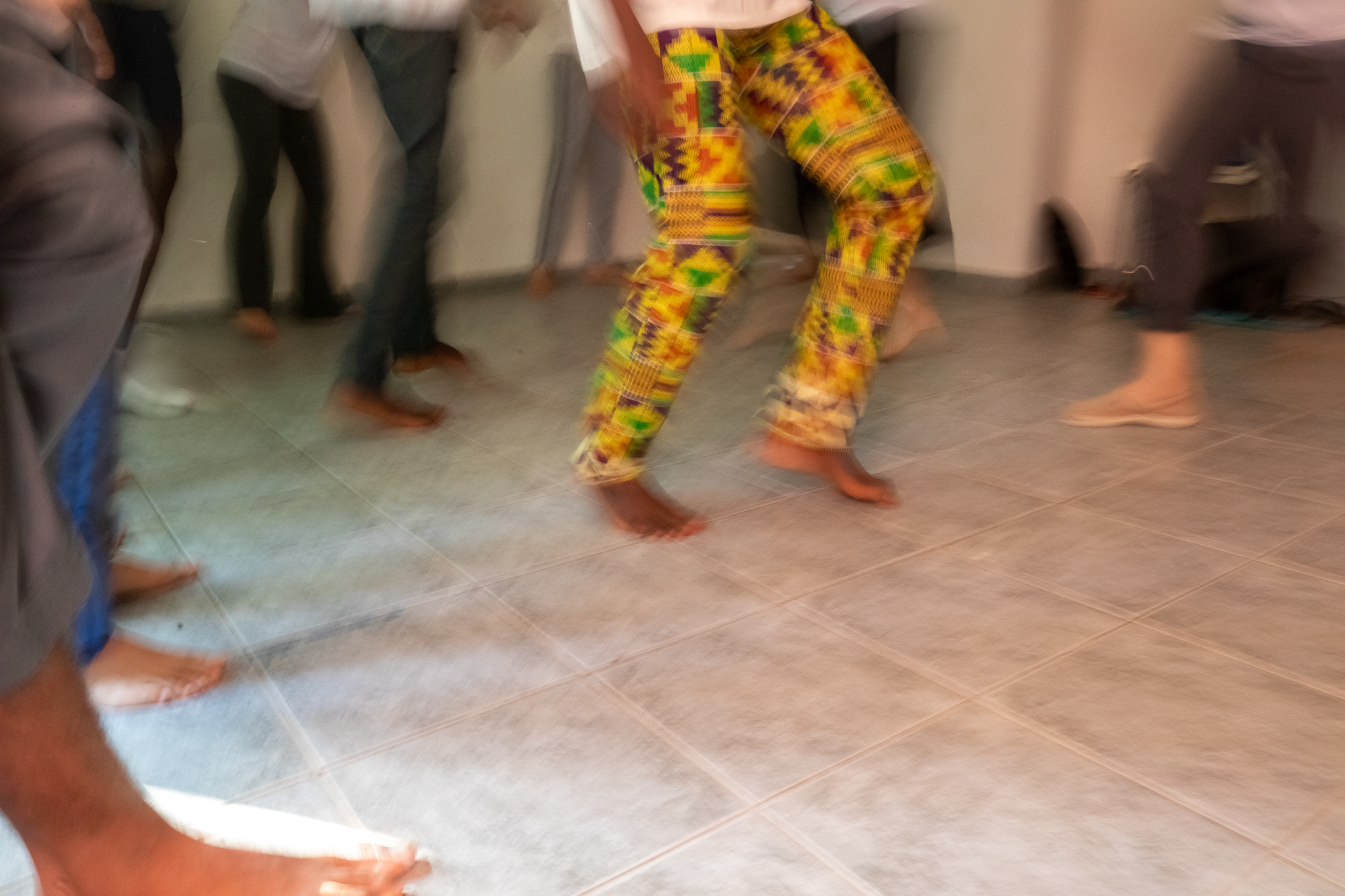
“Dancing is something I have passion for. As an African it is part of who we are. It is part of my culture and heritage, it makes me feel relief, relax, flexible and above all, it brings joy and smile to my life. Another important thing that motivates me into dancing is that it makes me to know many things about other part of the condition dancing impacts the lives of people. It also takes out tension and stress from me, because of all these things motivate me into dancing. As an African, our ancestors use this medium to feel relief and happy when they were enslaved and beaten and stoned to death during the early century. So, they pass it through us, the new generation and implemented it in our culture. So knowing all this things makes me feel motivated about dancing and implement it into my life and makes it part of me.”
— L., Participant of the Dance Workshops in 2019 at O. shelter managed by the NGO The Home Project in Athens, August/2019.